Did you know that some foods you eat regularly may be harming your health over time? Many of us include these items in our diets, but when consumed frequently or in large amounts, they can contribute to serious health problems. It’s important to be aware of what you eat and make informed choices. Here’s a list of 10 foods that may negatively impact your health if eaten often. Try to limit or avoid these foods as much as possible.

Many of these foods are associated with increased risks of high blood pressure, high cholesterol, heart disease, type 2 diabetes, certain cancers, and cognitive decline. They can also contribute to obesity, which is linked to a higher risk of anxiety and depression.
1. Canned Tomato Sauce

Canned tomato sauce often contains added sugar and sodium, which can contribute to obesity, type 2 diabetes, heart disease, and dental problems if consumed in excess. To make a healthier choice, use fresh tomatoes to make your own sauce, or choose canned tomatoes with no added sugar or salt and season them yourself. If you buy pre-made sauce, look for brands with lower sugar and sodium content.
2. Alcohol

While some studies suggest that moderate alcohol consumption may have certain cardiovascular benefits for some adults, the risks often outweigh the benefits. Excessive alcohol intake is linked to liver disease, several types of cancer, weight gain, depression, and other health issues. Alcohol is also high in empty calories and can impair judgment. The safest option for most people is to limit or avoid alcohol.
3. Sugar

High intake of added sugars is linked to weight gain, increased risk of heart disease, type 2 diabetes, and certain cancers. Sugar is also associated with dental problems. To reduce your risk, limit sugary foods and drinks, and try satisfying your sweet tooth with fruit or small amounts of natural sweeteners like honey or maple syrup.
4. Deli Meats

Processed meats such as salami, ham, and bologna are high in sodium, nitrates, and preservatives. Regular consumption is associated with an increased risk of heart disease, certain cancers (especially colorectal cancer), and type 2 diabetes. For a healthier option, choose fresh, unprocessed meats or plant-based alternatives.
5. Commercial Fruit Juices

Many store-bought fruit juices contain added sugars and may lose nutrients during processing. Drinking these juices can spike your blood sugar and contribute to weight gain if consumed in excess. For a healthier option, make your own juice at home or, even better, eat whole fruits for more fiber and nutrients.
6. Margarine

Some margarines, especially older or cheaper brands, may contain trans fats, which are harmful to heart health and can raise bad cholesterol levels. Many brands have now removed trans fats, but some still contain unhealthy oils. Check labels and choose spreads made with healthy oils like olive or avocado oil, or use small amounts of real butter.
7. Hot Dogs

Hot dogs and other processed meats are high in sodium, preservatives, and nitrates, all of which are linked to increased cancer risk and heart disease. The World Health Organization classifies processed meats as carcinogenic to humans. If you do eat hot dogs, choose those with minimal additives and eat them only occasionally.
8. Potato Chips

Potato chips are high in unhealthy fats, salt, and calories. They also contain acrylamide, a chemical formed during high-temperature cooking, which may increase cancer risk in animal studies, though the risk to humans is still being studied. For a healthier snack, try baking your own potato slices with a little olive oil and seasoning.
9. Bottled Salad Dressings
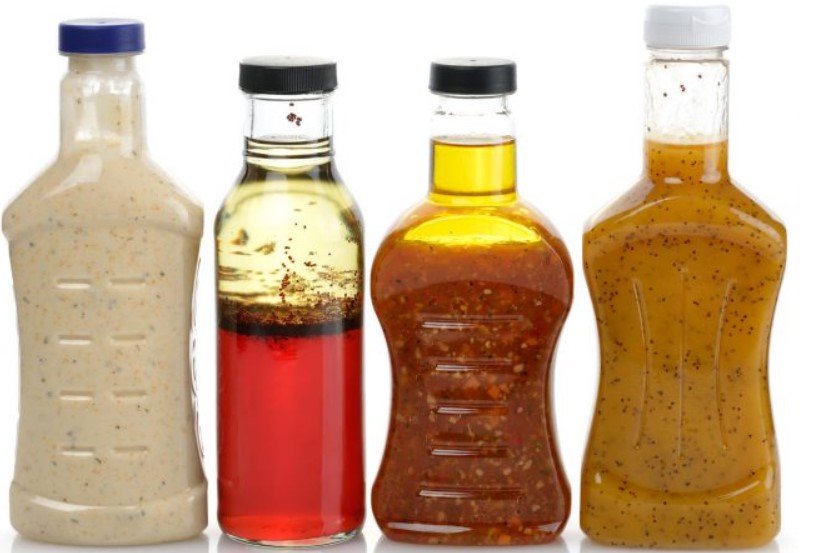
Many commercial salad dressings are loaded with sugar, unhealthy fats, artificial colors, and preservatives. These can turn a healthy salad into a high-calorie, low-nutrient meal. Instead, make your own dressing with olive oil, vinegar, and herbs.
10. Artificial Sweeteners

Artificial sweeteners like aspartame, sucralose, and acesulfame potassium are considered safe by major health authorities when consumed within recommended limits. However, some studies suggest they may affect metabolism or gut health in certain individuals. If you prefer to avoid them, use natural sweeteners like honey or maple syrup in moderation, or simply reduce your overall need for sweetness.