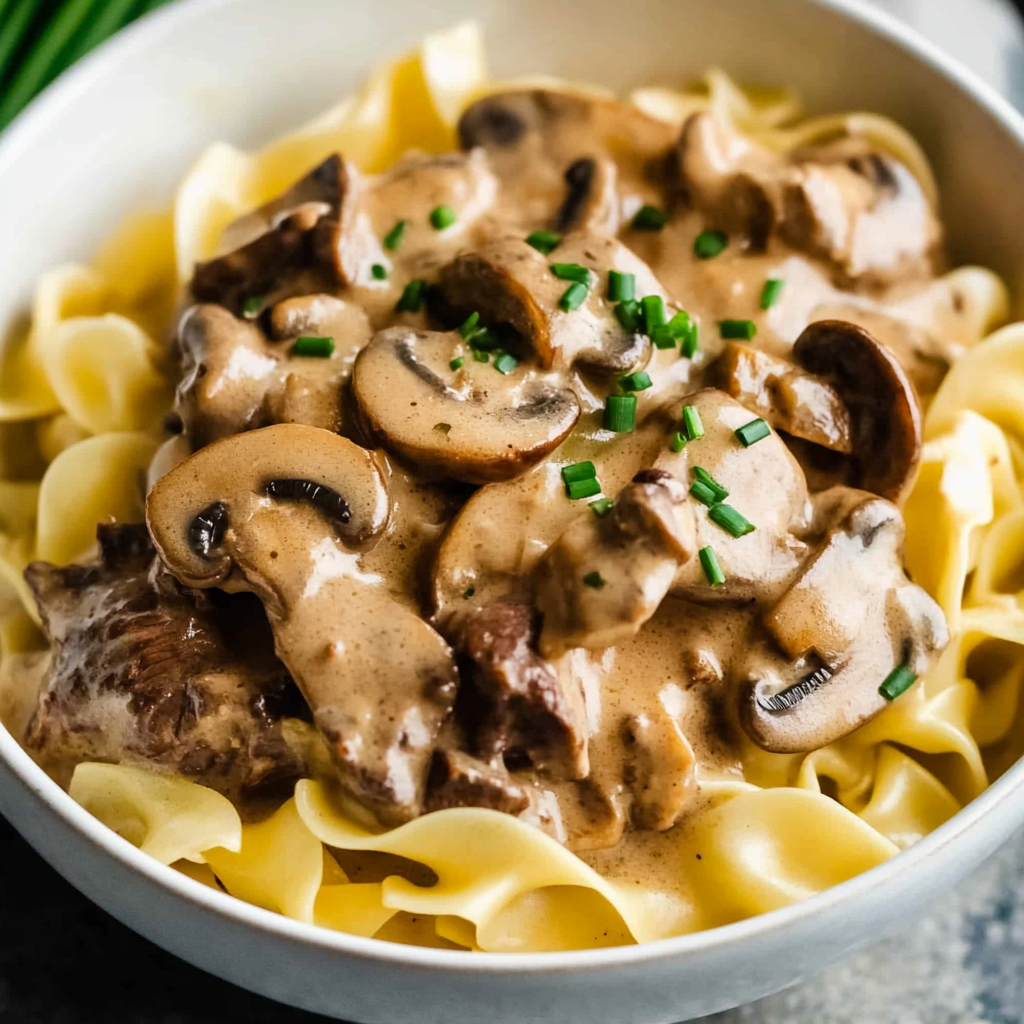
Beef Stroganoff is a cherished dish that combines tender beef slices with a rich, creamy sauce, offering a comforting and flavorful meal. This recipe provides a straightforward approach to preparing this classic, ensuring a delightful dining experience.
What Cut of Beef is Best for Stroganoff?
For an optimal Beef Stroganoff, select tender cuts that cook quickly and remain juicy. Boneless ribeye (also known as Scotch fillet) and boneless sirloin are excellent choices due to their marbling and tenderness. These cuts ensure the beef stays succulent and flavorful throughout the cooking process.
What is Stroganoff Sauce Made Of?
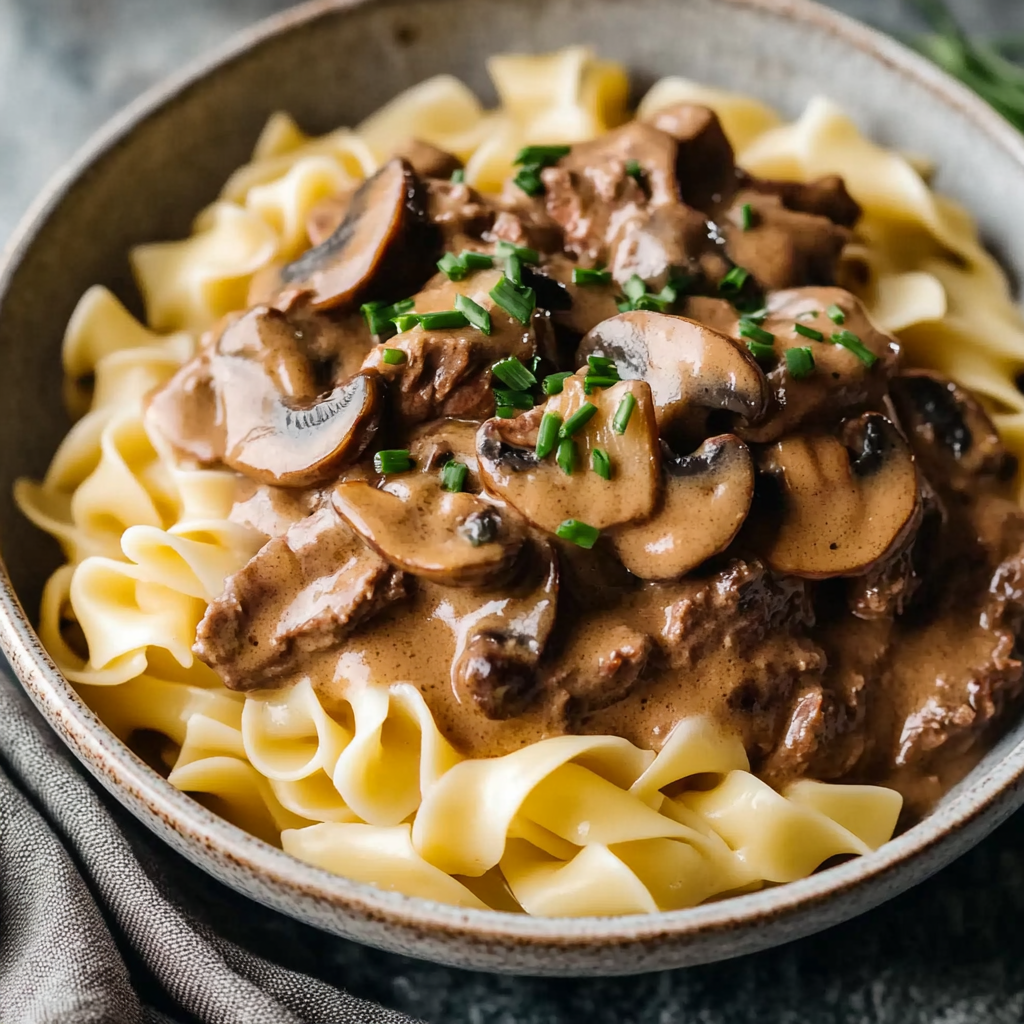
The hallmark of Stroganoff sauce is its creamy consistency, achieved by combining sour cream with beef broth. Traditional recipes incorporate sautéed onions and mushrooms, which add depth and earthiness to the sauce. Seasonings such as mustard and paprika are often included to enhance the flavor profile.
What to Serve with Beef Stroganoff?
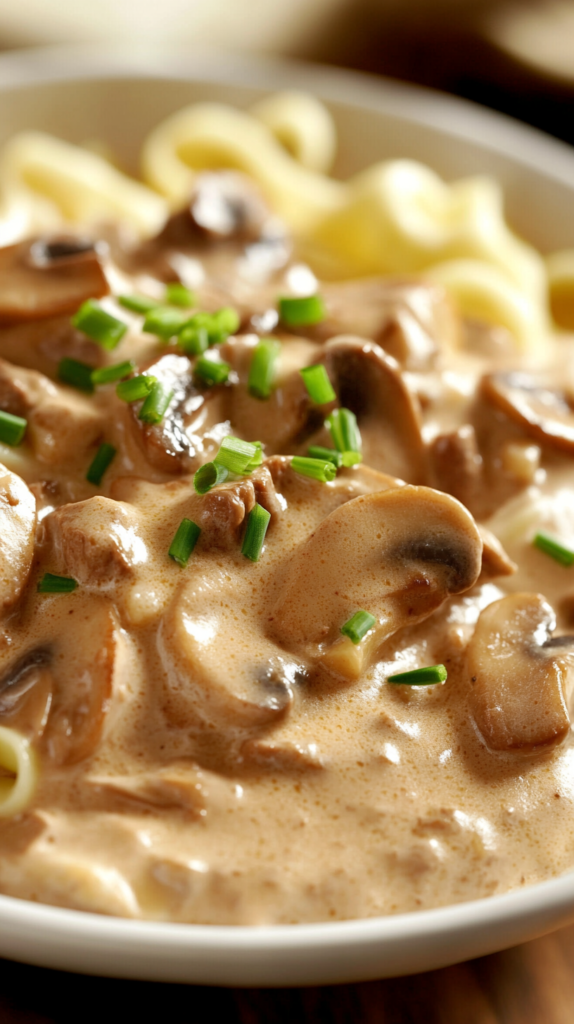
Beef Stroganoff pairs wonderfully with a variety of sides that can absorb its rich sauce. Common accompaniments include egg noodles, mashed potatoes, or steamed rice. These options provide a neutral base that complements the savory flavors of the Stroganoff.
Beef Stroganoff Recipe

Ingredients:
For the Beef:
- 1 pound (450g) boneless ribeye or top sirloin steak, thinly sliced against the grain
- Salt and freshly ground black pepper, to taste
- 2 tablespoons all-purpose flour
- 2 tablespoons unsalted butter
- 1 tablespoon olive oil
For the Sauce:
- 1 medium onion, finely chopped
- 2 cloves garlic, minced
- 8 ounces (225g) cremini or white mushrooms, sliced
- 1 tablespoon tomato paste
- 1 teaspoon Dijon mustard
- 1 teaspoon paprika
- 1 cup (240ml) low-sodium beef broth
- 1 cup (240ml) sour cream
- Salt and freshly ground black pepper, to taste
For Serving:
- Cooked egg noodles, mashed potatoes, or rice
- Fresh parsley, chopped (for garnish)
Instructions:

- Prepare the Beef:
- Season the sliced beef with salt and pepper.
- Lightly coat the beef slices with flour, shaking off any excess.
- Sear the Beef:
- In a large skillet over medium-high heat, melt 1 tablespoon of butter with 1 tablespoon of olive oil.
- Add the beef slices in a single layer, cooking for about 30 seconds on each side until browned but not fully cooked through. Avoid overcrowding the pan; sear in batches if necessary.
- Remove the beef from the skillet and set aside.
- Sauté the Vegetables:
- In the same skillet, add the remaining 1 tablespoon of butter.
- Sauté the chopped onion until translucent, about 3 minutes.
- Add the minced garlic and sliced mushrooms; cook until the mushrooms are tender and any liquid has evaporated, approximately 5 minutes.
- Build the Sauce:
- Stir in the tomato paste, Dijon mustard, and paprika, cooking for 1 minute to combine flavors.
- Pour in the beef broth, scraping the bottom of the skillet to deglaze and incorporate any browned bits.
- Bring the mixture to a simmer and cook for 5 minutes, allowing the sauce to reduce slightly.
- Finish the Dish:
- Lower the heat to medium and stir in the sour cream until the sauce is smooth and creamy.
- Return the seared beef to the skillet, stirring to coat with the sauce.
- Cook for an additional 2-3 minutes, ensuring the beef is heated through and cooked to your desired doneness.
- Taste and adjust seasoning with salt and pepper as needed.
- Serve:
- Serve the beef stroganoff over cooked egg noodles, mashed potatoes, or rice.
- Garnish with chopped fresh parsley.
- Enjoy your meal!
This recipe offers a straightforward approach to preparing Beef Stroganoff, ensuring a delightful dining experience.
Easy Classic Beef Stroganoff
Beef Stroganoff is a classic Russian dish that combines tender beef strips with a rich, creamy sauce, typically made from sour cream, onions, and mushrooms. This comforting meal is traditionally served over egg noodles, rice, or mashed potatoes, making it a hearty option for family dinners. The dish’s origins trace back to 19th-century Russia, and it has since become a beloved staple in many households worldwide. For a step-by-step guide to preparing this timeless recipe, you can refer to Natasha’s Kitchen’s tutorial.